

12 October 2026
Australia’s energy transition is reshaping the economy. The latest Intergenerational Report 2026 and FWPA’s Building a Low-Carbon Future for Australia point in a similar direction, consistent with a transition beyond net zero. The Intergenerational Report’s projections point to a renewables-dominated electricity grid, and a declining fuel-excise base up to 2050.
A grid dominated by renewables
Figure 1, based on the latest Intergenerational Report 2026, shows the energy mix from 2026 to 2050 under a scenario involving significant investment in the energy transition. Coal generation, which supplied around 170 TWh in 2009–10, declines steadily and falls below 5 TWh after 2035. Generation from wind, large-scale solar and rooftop solar expands significantly, increasing total electricity generation from roughly 200 TWh to more than 450 TWh by 2049–50 as electrification spreads across the economy.
This is not a business-as-usual (BAU) scenario. It depends on sustained and significant investment in generation, transmission and energy storage. As this investment occurs, the electricity used to power sawmills and other forest and wood product operations become progressively cleaner, even without changes to the industry’s own equipment.
Figure 1: Australian Energy Mix Transition in the Intergenerational Report 2026

Source: Intergenerational Report 2026
The fiscal signal from fuel excise
The same transition has a budget consequence. Figure 2, also from Intergenerational Report projections, shows gross fuel excise falling from around 0.9 per cent of GDP in 2025-26 to under 0.2 per cent by 2065-66. Net fuel excise falls further, less than 0.1 per cent of GDP.
This scenario assumes broad adoption of electric transport, improving energy efficiency while reducing the use of taxable fossil fuels. As fuel consumption declines, so too does the fuel-excise revenue base that has traditionally supported roads and other public services.
For industries that transport heavy loads, such as forestry and wood products, the implications are significant.
Source & chart credit: Forest & Wood Products Australia (FWPA)


More Posts from Issue
13 Oct 2026
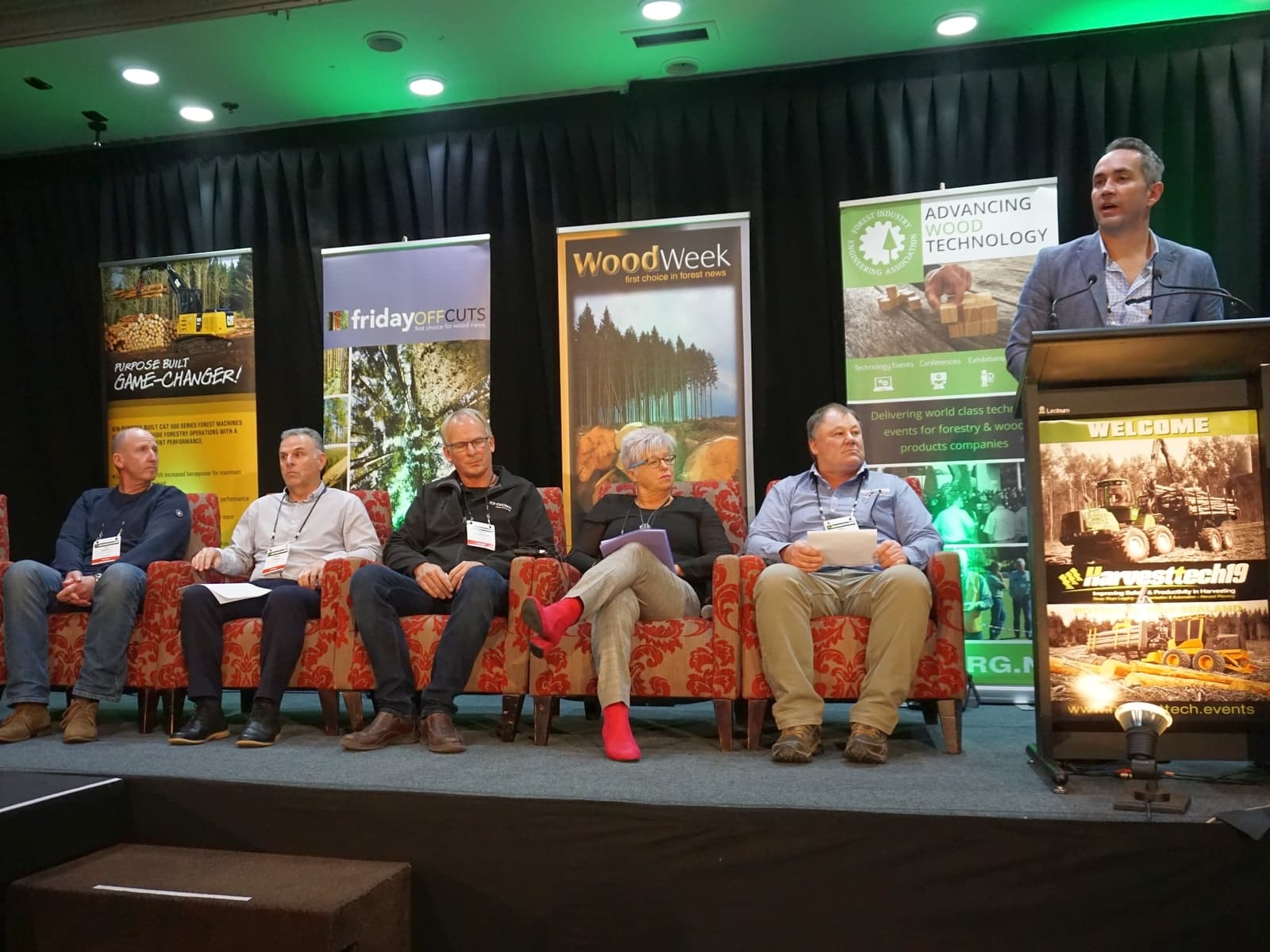
HarvestTECH programme looks at the realities of forestry operations
From high-production logging and automated harvesting to paperless operations and AI-assisted transport planning, the HarvestTECH & Wood Transport Logistics 2026 programme covers a mix of new technology and practical experience from the field. The programme for the 10–11 November event ...
Read more
13 Oct 2026
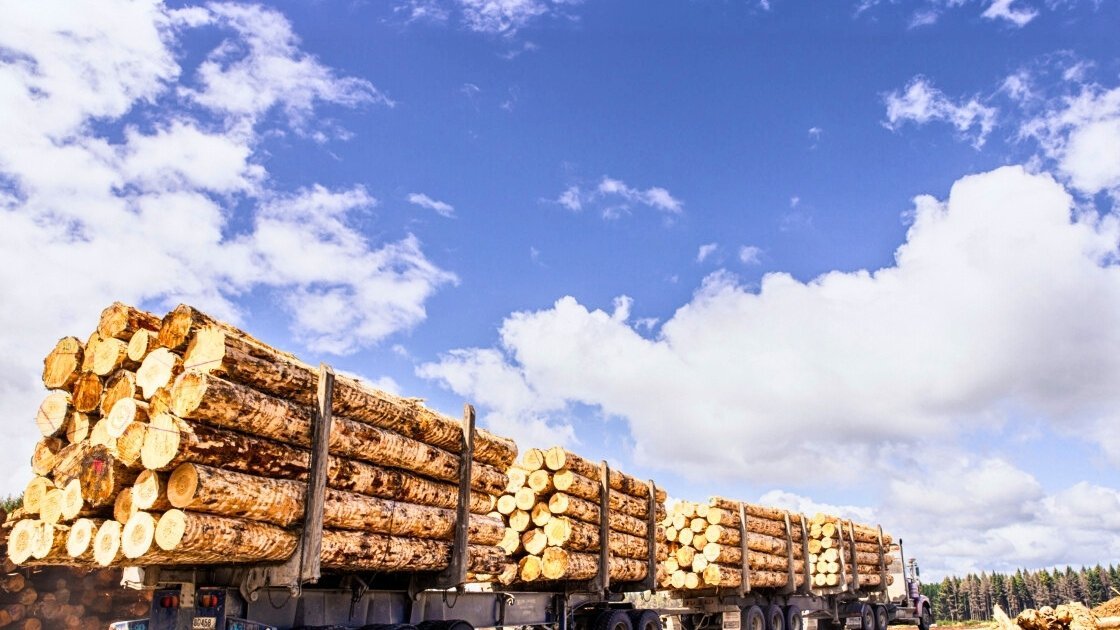
Operating at scale: The off-highway advantage
Inside Kaingaroa, the heavy lifting happens off the public highway. A privately managed off-highway road network runs around the clock, moving logs efficiently from harvest sites to processing or rail. “The forest’s scale lets us plan and coordinate properly,” says ...
Read more

13 Oct 2026
Joystick Trades: how gaming skills are transferring to New Zealand’s high-tech workforce
Years spent gaming may be giving some young New Zealanders an unexpected head start in the modern trades, as automation, robotics and digital technology transform traditional workplaces. Industry training organisation Competenz has coined the term Joystick Trades after hearing the ...
Read more
12 Oct 2026
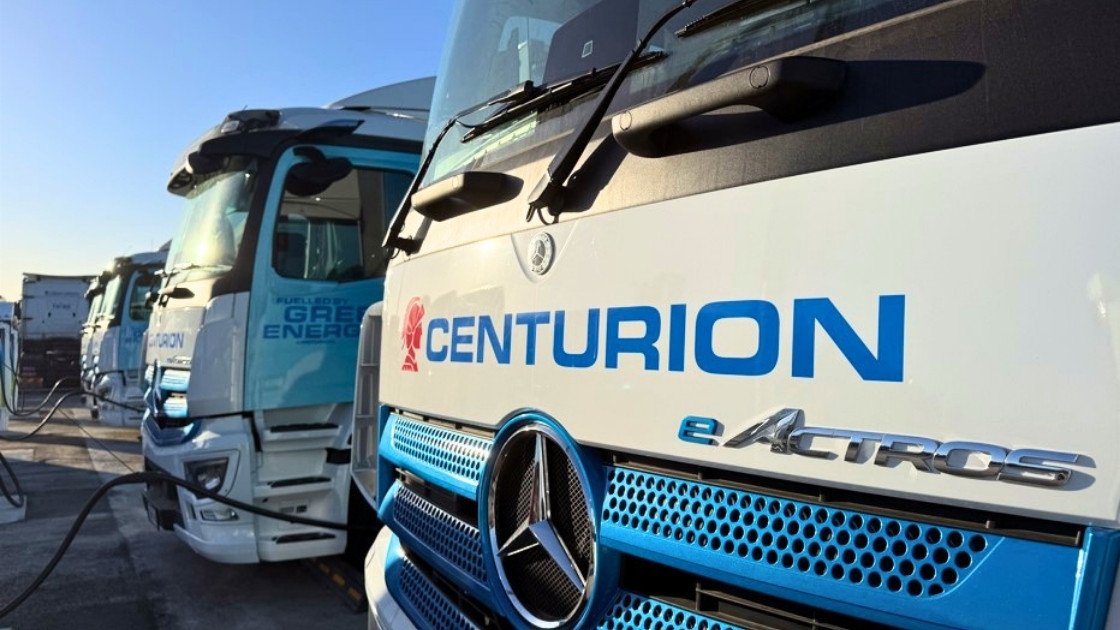
Plans for WA’s first electric freight network
Perth-based logistics giant Centurion is backing plans to build the first electric heavy freight charging network in Western Australia, which would comprise an initial three 12-bay charging networks between Perth and Bunbury to the south. The freight network is the ...
Read more

12 Oct 2026
Untapped wood from forestry to help fuel NZ industry
The country’s supply of sustainable wood fuel is ramping up with work underway to capture previously unused forestry material and investigate new wood energy manufacturing plants. “When businesses are looking at energy options, woody biomass could provide an economic alternative ...
Read more