
13 October 2026
From high-production logging and automated harvesting to paperless operations and AI-assisted transport planning, the HarvestTECH & Wood Transport Logistics 2026 programme covers a mix of new technology and practical experience from the field.
The programme for the 10–11 November event in Rotorua is now available, with presentations looking at how equipment, digital systems and new approaches are being used across harvesting and wood transport.
Alongside developments in AI, automation and electrification, there are several sessions built around operational experience. These include a high-production logging operation case study, a cut-to-length grapple swing yarder, and lessons from Australia’s move towards paperless forestry operations.
The programme also includes technical Q&A panels, giving delegates the chance to put questions to speakers and explore some of the issues raised in their presentations. A Forest Industry Contractors Association (FICA) workshop is also scheduled, with a focus on issues affecting forestry contractors.
Across the two days, the topics range from steep-slope harvesting and semi-automated cable yarding to autonomous machinery, digital log reception and the use of forestry residues to produce biochar. Transport sessions look at AI-assisted planning and ways to improve the movement of wood through the supply chain.
With harvesting and transport covered in the same programme, there is also a chance to hear how developments in one area can affect the other, from the way harvesting is planned through to getting logs to the mill or port.
HarvestTECH & Wood Transport Logistics 2026 takes place at the Distinction Hotel Rotorua on 10–11 November. The full programme and registration details are available at innovatek.co.nz.
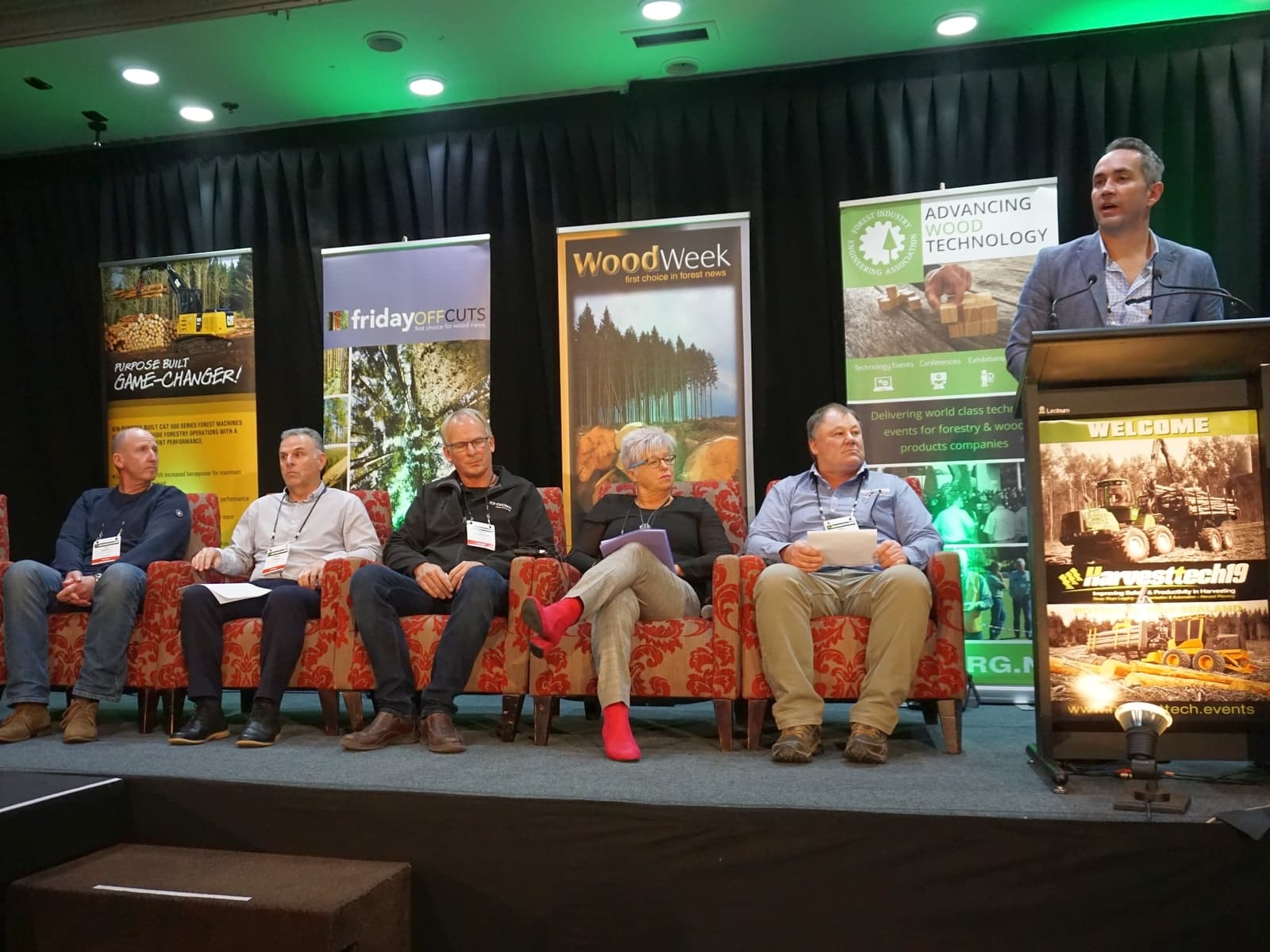
Photo credit: Innovatek – Past HarvestTECH event photo


More Posts from Issue
13 Oct 2026
Operating at scale: The off-highway advantage
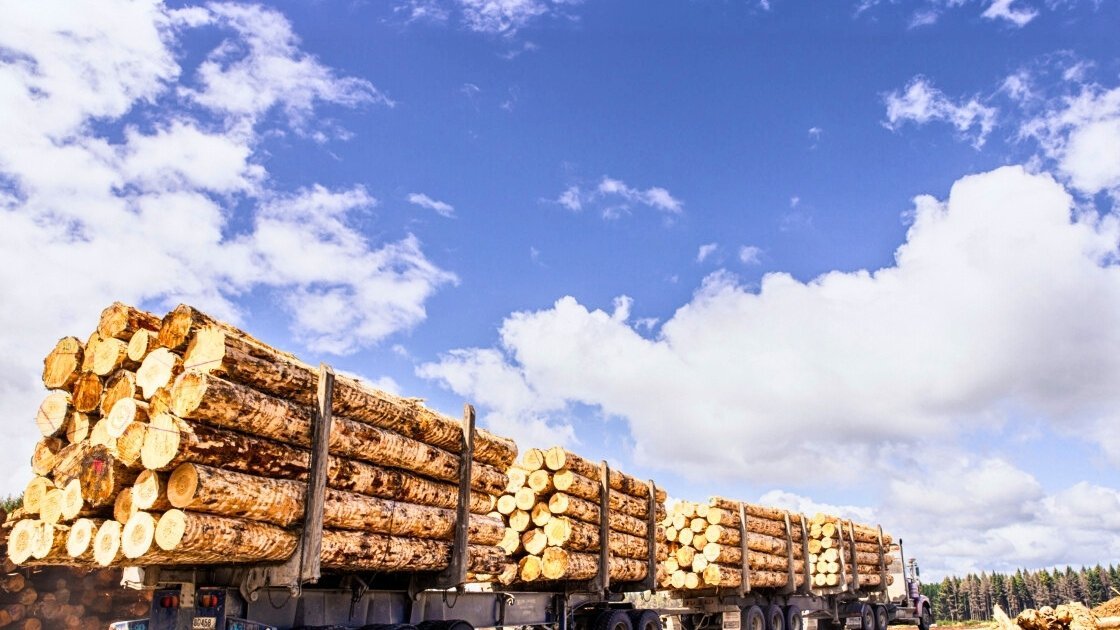
Inside Kaingaroa, the heavy lifting happens off the public highway. A privately managed off-highway road network runs around the clock, moving logs efficiently from harvest sites to processing or rail. “The forest’s scale lets us plan and coordinate properly,” says ...
Read more

13 Oct 2026
Joystick Trades: how gaming skills are transferring to New Zealand’s high-tech workforce
Years spent gaming may be giving some young New Zealanders an unexpected head start in the modern trades, as automation, robotics and digital technology transform traditional workplaces. Industry training organisation Competenz has coined the term Joystick Trades after hearing the ...
Read more

12 Oct 2026
The timber industry’s decarbonisation pathway
Australia’s energy transition is reshaping the economy. The latest Intergenerational Report 2026 and FWPA’s Building a Low-Carbon Future for Australia point in a similar direction, consistent with a transition beyond net zero. The Intergenerational Report’s projections point to a renewables-dominated ...
Read more
12 Oct 2026
Plans for WA’s first electric freight network
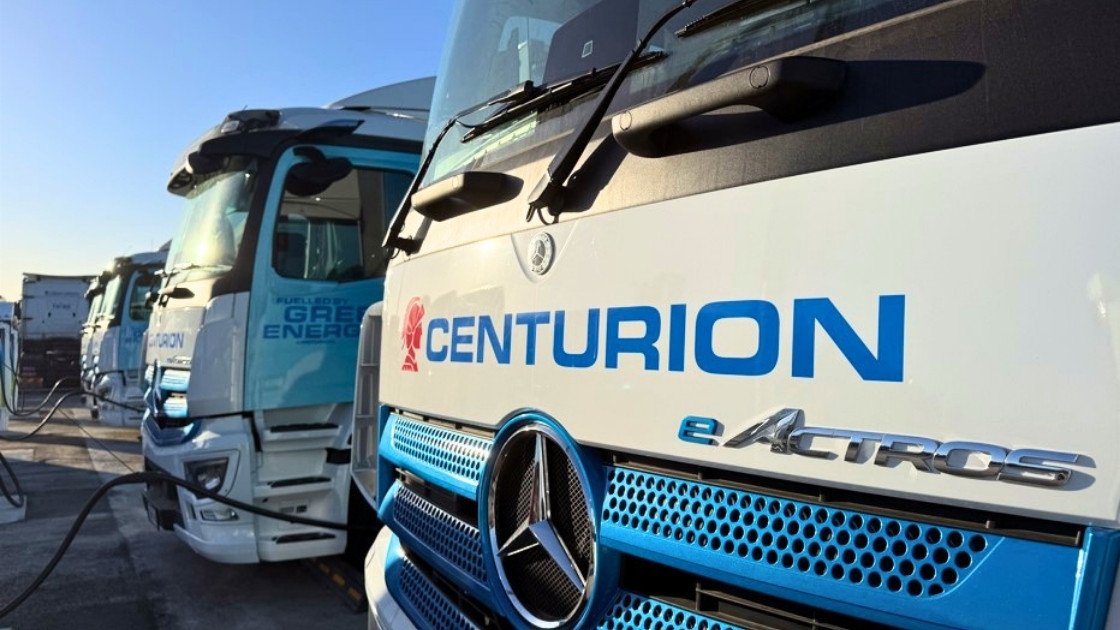
Perth-based logistics giant Centurion is backing plans to build the first electric heavy freight charging network in Western Australia, which would comprise an initial three 12-bay charging networks between Perth and Bunbury to the south. The freight network is the ...
Read more

12 Oct 2026
Untapped wood from forestry to help fuel NZ industry
The country’s supply of sustainable wood fuel is ramping up with work underway to capture previously unused forestry material and investigate new wood energy manufacturing plants. “When businesses are looking at energy options, woody biomass could provide an economic alternative ...
Read more