
13 October 2026
Inside Kaingaroa, the heavy lifting happens off the public highway. A privately managed off-highway road network runs around the clock, moving logs efficiently from harvest sites to processing or rail.
“The forest’s scale lets us plan and coordinate properly,” says Jake Rogers, RFH’s Off-Highway Truck Manager. “That’s what makes the operation efficient.”
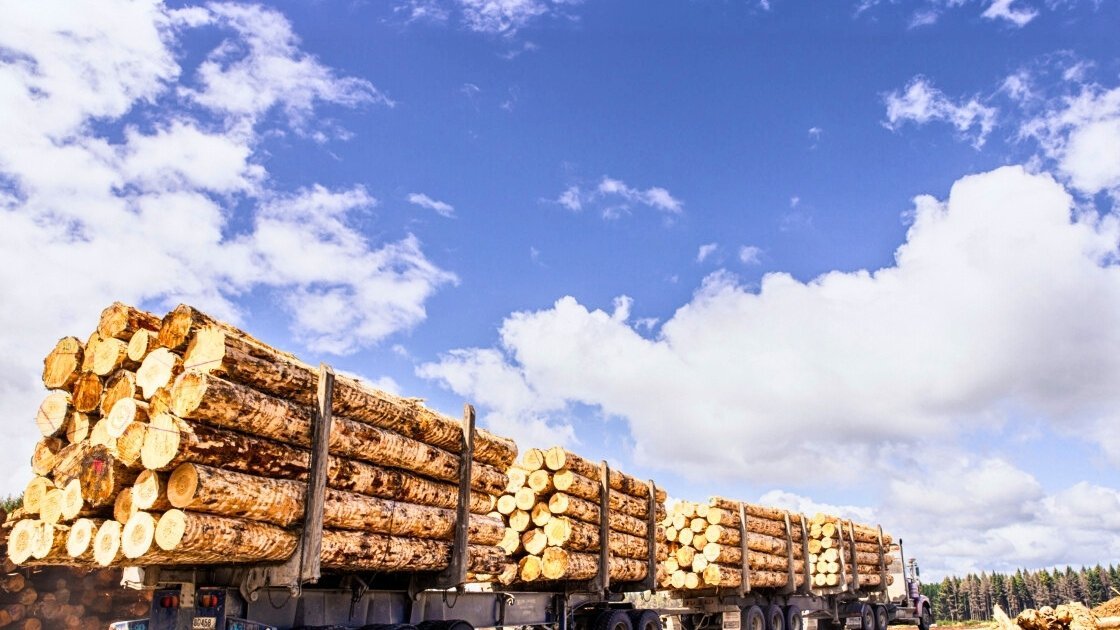
The trucks inside the Kaingaroa Forest Estate are unlike any others in New Zealand. Purpose-built stem trucks for full length tree cartage, as well as double and triple units stretching more than 50 metres in length, carrying up to 150 tonnes of logs – and up to 200 tonnes all-up. These vehicles operate on a continuous cycle. Their routes service the Kaingaroa Processing Plant, off-highway domestic customers and the Murupara railhead, which links export volume through to the Port of Tauranga by rail.
“Our biggest units can carry around 150 tonnes of logs. You can’t run that anywhere else but inside a forest like this,” Jake explains. “We’re a 24-hour operation most days. That’s what keeps the mill fed and the trains moving.”
Because the network is designed specifically for forestry, scale translates directly into efficiency.
“Because we’ve got the space and the roading, we can move more wood with fewer trips,” Jake says. “That means less fuel, less wear, and less risk.”
Within Kaingaroa, road and rail function as one integrated system. Each train departing Murupara or Kawerau removes dozens of heavy trucks from public highways. Each off-highway haul reduces emissions, improves safety, and limits impacts on surrounding communities – while maintaining the throughput required to support New Zealand’s wood processing sector.
“The off-highway network means we don’t need to run heavy units on public roads,” Jake says. “It’s better for the environment, safer for everyone and better for the communities around us.”
Source & image credit: Kaingaroa Tipu


More Posts from Issue
13 Oct 2026
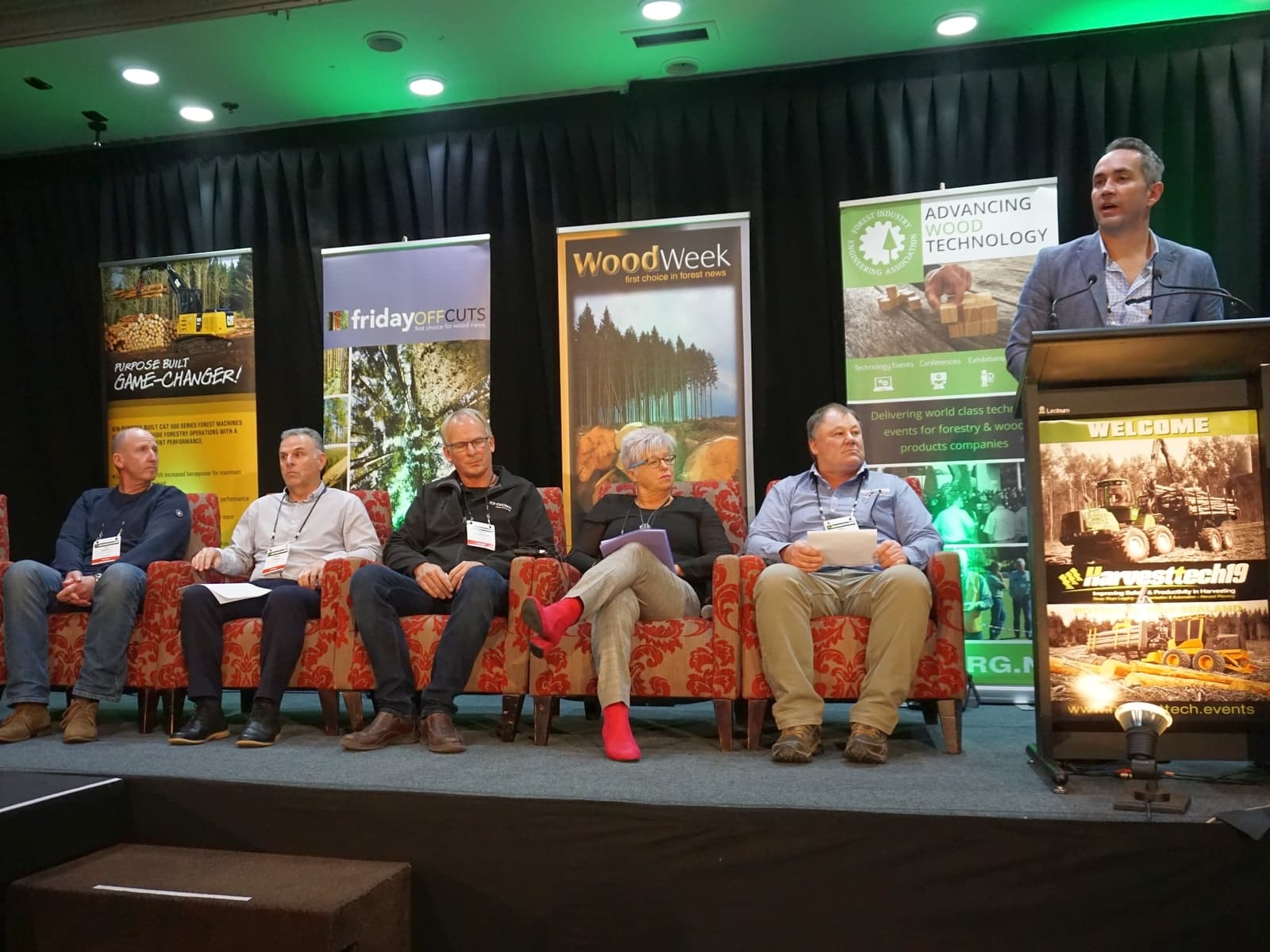
HarvestTECH programme looks at the realities of forestry operations
From high-production logging and automated harvesting to paperless operations and AI-assisted transport planning, the HarvestTECH & Wood Transport Logistics 2026 programme covers a mix of new technology and practical experience from the field. The programme for the 10–11 November event ...
Read more

13 Oct 2026
Joystick Trades: how gaming skills are transferring to New Zealand’s high-tech workforce
Years spent gaming may be giving some young New Zealanders an unexpected head start in the modern trades, as automation, robotics and digital technology transform traditional workplaces. Industry training organisation Competenz has coined the term Joystick Trades after hearing the ...
Read more

12 Oct 2026
The timber industry’s decarbonisation pathway
Australia’s energy transition is reshaping the economy. The latest Intergenerational Report 2026 and FWPA’s Building a Low-Carbon Future for Australia point in a similar direction, consistent with a transition beyond net zero. The Intergenerational Report’s projections point to a renewables-dominated ...
Read more
12 Oct 2026
Plans for WA’s first electric freight network
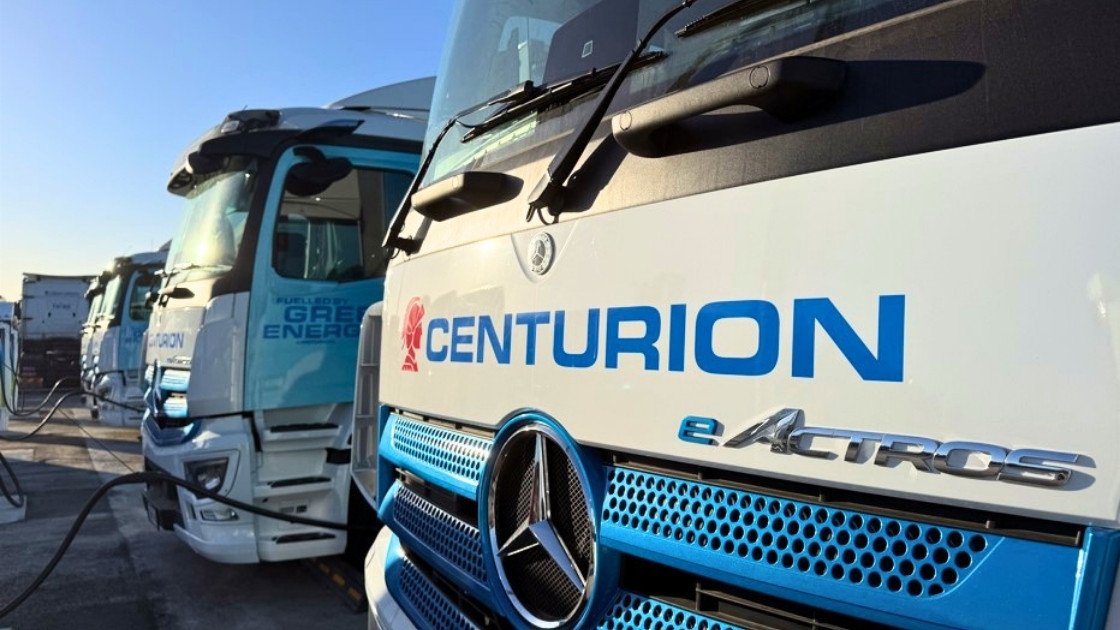
Perth-based logistics giant Centurion is backing plans to build the first electric heavy freight charging network in Western Australia, which would comprise an initial three 12-bay charging networks between Perth and Bunbury to the south. The freight network is the ...
Read more

12 Oct 2026
Untapped wood from forestry to help fuel NZ industry
The country’s supply of sustainable wood fuel is ramping up with work underway to capture previously unused forestry material and investigate new wood energy manufacturing plants. “When businesses are looking at energy options, woody biomass could provide an economic alternative ...
Read more