
12 October 2026
In 2026, the WIDE Trust supported four young professionals to attend the WoodTECH 2026 Conference in Rotorua, giving them the opportunity to engage with one of New Zealand’s leading events for wood processing and manufacturing innovation.
WoodTECH brings together engineers, sawmill managers, technology providers, manufacturers, researchers and industry leaders to explore the technologies and ideas shaping the sector. This year’s event attracted a record 252 industry professionals, with strong representation from wood producers across New Zealand.
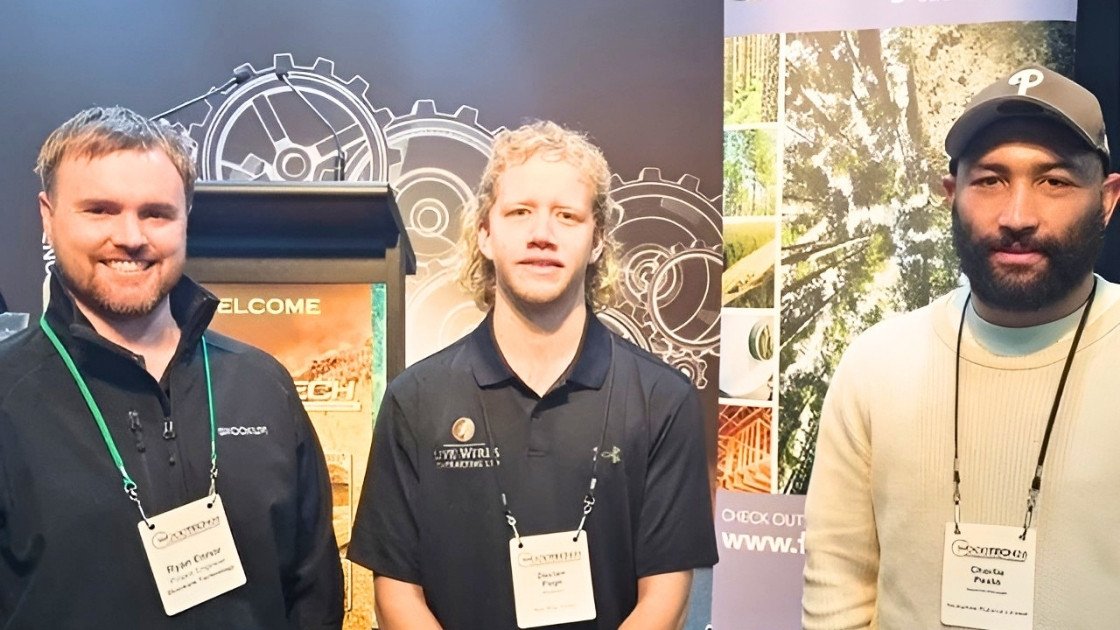
Through WIDE Trust support, Ryan Ennor, Luke Woodfield, Declan Page and Charlie Peato were able to attend the conference and gain valuable exposure to industry developments, technical knowledge and new professional connections.
A Front-Row Seat to Industry Change
For the four attendees, WoodTECH 2026 offered more than a conference programme. It was a chance to see where the wood processing industry is heading and better understand the opportunities and challenges facing the sector.
Presentations covered key themes including sawmill automation, artificial intelligence, machine vision, robotics, operational efficiency, safety, leadership and the drive to get more value from each log.
For young professionals building their careers in this space, the event provided valuable insight into both current industry practice and the technologies likely to shape the future.
Smarter Sawmills and Emerging Technology
A clear theme from the attendee reports was the growing role of automation and data in modern sawmills.
Ryan Ennor, Mechanical Project Engineer at Skookum Technology, reflected on the value of learning about technologies currently being implemented in sawmills, as well as those still being developed. Presentations on artificial intelligence highlighted how AI assistants can help analyse breakdown information, identify causes of downtime and support more efficient decision-making.
Declan Page, Electrician at Red Stag Timber, also noted the strong focus on smarter scanning systems, automation and reducing downtime. Technologies such as AI-powered scanners, X-ray scanning, machine vision and closed-loop quality control were highlighted for their ability to detect defects, improve cutting decisions, reduce manual adjustments and improve recovery from each log.
Creating More Value from New Zealand Wood
WoodTECH 2026 also highlighted the opportunity to create more value from New Zealand’s forest resources.
Several sessions explored how lower-grade logs and existing wood resources can be transformed into higher-value products. The Optimised Engineered Lumber plant in Gisborne was noted as a strong example of this approach, showing how lower-grade logs can be used to produce laminated timber products rather than relying only on high-grade material.
For Luke Woodfield, Design Engineer at Skookum Technology, the conference provided a clearer understanding of the technologies being used in modern sawmills and where the industry is heading. He noted the importance of process optimisation, maximising sawmill output, automated equipment and the growing diversification of export markets for New Zealand forestry products.
Safety, Leadership and Better Ways of Working
While technology was a major focus, WoodTECH 2026 also reinforced the importance of people, leadership and workplace culture.
Keynote speakers Francois Barton and Lance Burdett explored the human side of workplace safety, behaviour and performance in industrial environments. Their sessions provided practical insights into how people make decisions, respond under pressure and contribute to safer, more effective workplaces.
For Charlie Peato, Sawmill Manager at McAlpines Rotorua, some of the most valuable learnings came from presentations and conversations focused on operational improvement, leadership and better systems. Concepts such as the “4Ds” methodology and the Eisenhower Principle stood out as practical tools for identifying issues, understanding root causes and prioritising work that delivers the greatest operational benefit.
Learning That Returns to the Workplace
A key strength of events like WoodTECH is that the learning does not stay in the conference room.
Each attendee returned with practical insights that can be shared, discussed and applied within their own workplace. Whether focused on automation, safety, production efficiency, waste reduction, leadership or product quality, these learnings have the potential to contribute to real improvements across the sector.
Declan summarised the value of the conference clearly, noting that much of the technology being introduced is aimed at the same core goals: reducing downtime, improving safety, increasing efficiency, reducing waste and improving product quality.
Investing in People and Progress
For the WIDE Trust, supporting attendance at WoodTECH 2026 reflects a continued commitment to professional development, industry connection and future capability.
The four attendees represented a range of roles across the sector, including project engineering, design engineering, electrical work and sawmill management. This helped ensure the benefits of the event reached different parts of the wood processing industry.
By helping young professionals access events like WoodTECH, the Trust is investing in people who can take new ideas back into their workplaces and contribute to positive change across the industry.
Looking Ahead
WoodTECH 2026 showed an industry that is actively evolving.
From AI-powered scanning and robotics to safety leadership, process optimisation and value-added timber products, the conference offered a clear view of the technologies and thinking shaping wood processing in New Zealand.
The WIDE Trust is proud to support opportunities that help young professionals engage with this change firsthand. Through professional development, technical learning and industry connection, the Trust is helping strengthen the future capability of New Zealand’s forestry and wood processing workforce.
Source & image credit: WIDE Trust

More Posts from Issue
12 Oct 2026
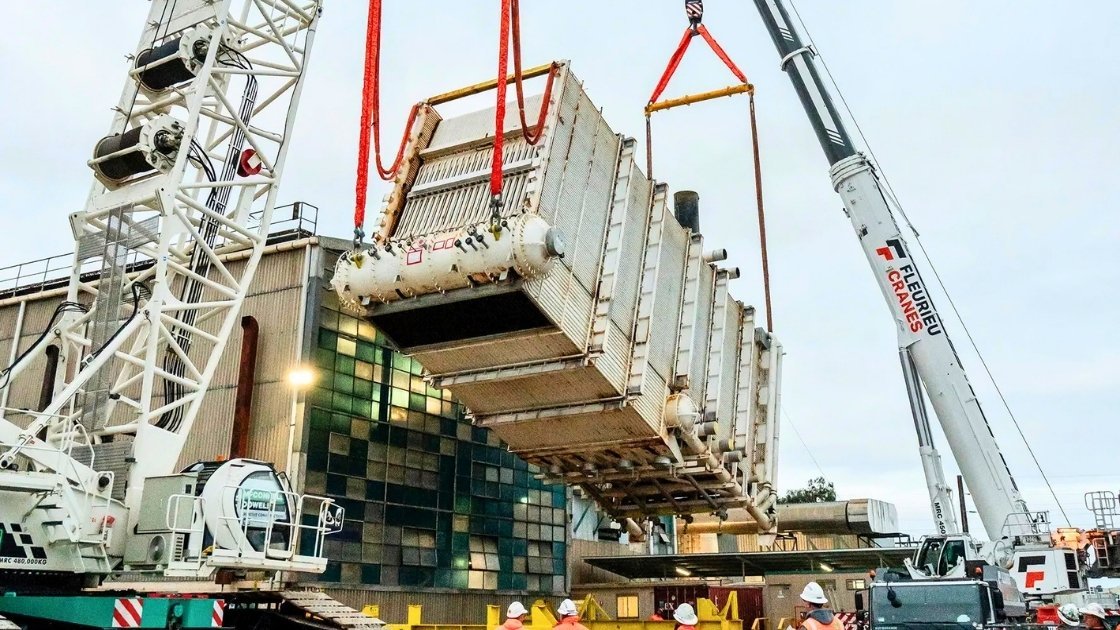
Milestone for Jubilee Sawmill’s $88m bioenergy project
Construction of OneFortyOne’s $88 million Co-Generation Boiler project facility has reached another significant milestone, with the project’s boiler now in place at the Jubilee Sawmill. With crews on site before sunrise on 16 September, months of planning culminated in the ...
Read more
12 Oct 2026
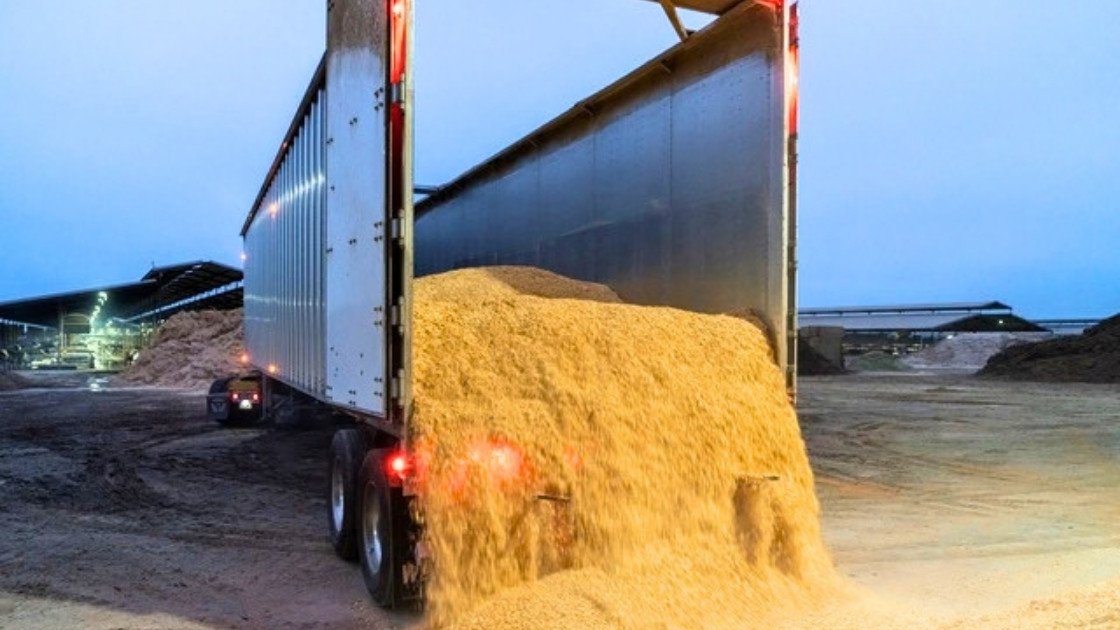
KEITH showcases faster unloading with new RX2 drive
At last month’s Residues2Revenues 2026 conference in Brisbane, material handling specialist KEITH Manufacturing Co. showcased its updated two-cylinder RX2 WALKING FLOOR® drive unit, designed to improve unloading and turnaround times for the wood-products sector. With truck turnaround times directly affecting ...
Read more

12 Oct 2026
Lignin resin delivers flame retardancy without formaldehyde
Researchers have developed a bio-based, formaldehyde-free phenolic resin derived from lignin that provides fire protection, strong adhesion, and zero toxic off-gassing for timber products. Published in the journal Green Chemistry, the study details how the new material, dubbed SALG-PR, functions ...
Read more
12 Oct 2026
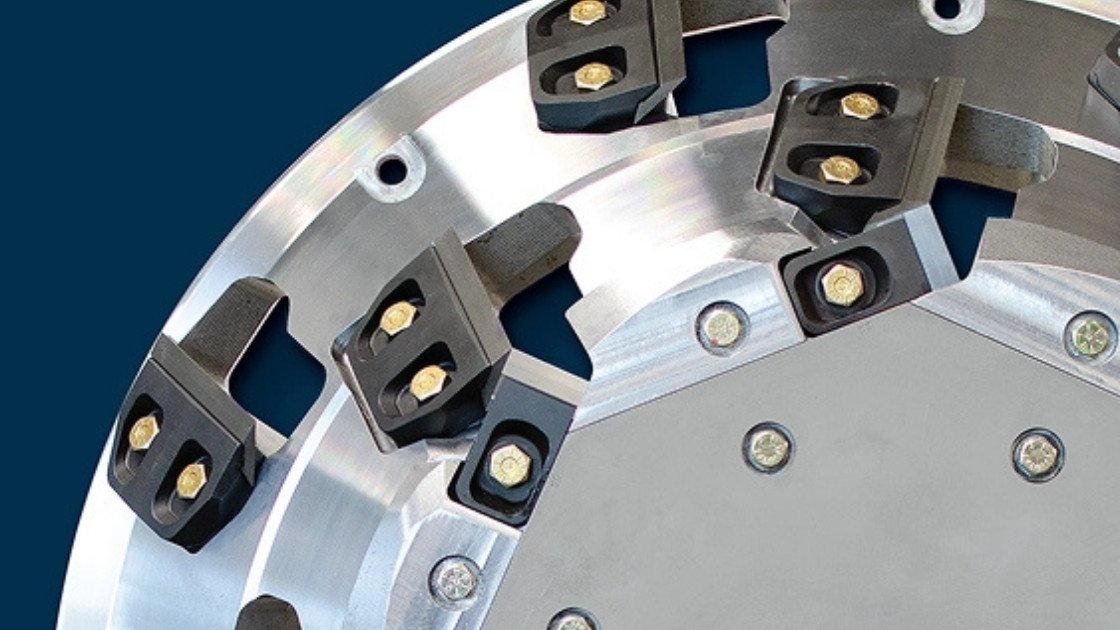
Comact launches Comact Cutting Solution
Comact, a global leader in high-performance OEM wood processing technologies, announced this week the launch of Comact Cutting Solutions, bringing together Smith Sawmill Service, Oleson Saw Technology, Checkmate Precision Cutting Tools, and the proprietary BLADE brand under a common organizational ...
Read more

12 Oct 2026
Untapped wood from forestry to help fuel NZ industry
The country’s supply of sustainable wood fuel is ramping up with work underway to capture previously unused forestry material and investigate new wood energy manufacturing plants. “When businesses are looking at energy options, woody biomass could provide an economic alternative ...
Read more