

15 March 2018
Red Stag Group, which runs the largest sawmill in the Southern Hemisphere, plans to invest more than NZ$20 million developing a large-scale cross-laminated timber plant at its wood processing site in Rotorua, New Zealand.
The plant is expected to be operational by mid-2019 and produce more than 50,000 cubic metres of cross-laminated timber within two years, Red Stag Group chief executive Marty Verry said. The company’s plans are conditional on draft building standards requiring full chemical penetration of cross-laminated timber being confirmed by the Ministry of Business, Innovation and Employment.
Red Stag owns the Waipa mill which it bought out of receivership following the collapse of the Central North Island Forest Partnership. It invested more than NZ$100 million developing New Zealand’s first ‘super mill’ on the site, so-called because it can process 1 million tonnes of logs a year and is now expanding its operations to production of cross-laminated timber, where it sees demand increasing in line with the government’s KiwiBuild programme which aims to deliver 100,000 affordable houses over the next 10 years.
New Zealand wood manufacturers see big potential opportunities for their industry in the future from engineered wood products, such as cross-laminated timber, which are becoming increasingly popular for multi-storey buildings around the world. They are also gaining traction in New Zealand after recent earthquakes showed wooden buildings outperformed concrete and steel structures. Property developer Bob Jones is erecting the country’s tallest wooden office building, at 12 storeys, in central Wellington using the product, while Sumitomo plans to build an 80-story building in Tokyo.
“Cross Laminated Timber (CLT) is a product on a rapid growth curve globally”, Verry said. “It is one of the ‘massive timber’ group of products, along with others such as glulam, that is opening up the mid- and high- rise building market to wood.” Verry said there was strong demand in New Zealand for the wood and praised Nelson company XLam for developing the cross-laminated timber market on its own to date.
“We see the need now for a scale North Island producer so that between us we take the product mainstream,” Verry said. “Our vision is that wood will be the norm in mid-rise buildings by 2030, and I can see the KiwiBuild target being achievable in the early 2020s as a result.”
The new cross-laminated timber will be produced by the company’s Red Stag Wood Solutions division run by managing director Jason Cordes and is expected to generate 40 regional jobs, mostly in Rotorua.
Cordes said the timber has the potential to save thousands of dollars on the cost of housing and mid-rise buildings by reducing material cost, on-site labour costs and construction time, and performs well in earthquakes, where its light weight and ability to flex means it performs better than heavy rigid buildings from concrete and steel, with a very predictable and high fire rating.
“We are also going to be able to help hit Kiwibuild, state housing and private sector targets with this plant”, Cordes said. “We will launch in 2019 and expect to be producing in excess of 50,000m3 of CLT within 2 years. That is the equivalent of around 2,000 housing units.” A modular approach to the factory means more capacity can be bought on as required, he said. The company claims it can reduce construction times by 30 percent.
Forestry Minister Shane Jones welcomed Red Stag’s investment plans, noting his “obvious enthusiasm” for the government’s ‘wood first’ policy. “I will be meeting with fellow ministers shortly to discuss how this policy can have greater practical effect,” Jones said.
The government expects to spend NZ$2 billion over the next three years to kick off the KiwiBuild programme targeting 100,000 affordable houses being built over the next decade. Under the programme, the government will buy private developments off the plans and build new houses over the next three years, after which the NZ$2 billion of capital will be recycled as dwellings are sold and reinvested.
Photo: Minister of Forestry Shane Jones and Red Stag Group CEO Marty Verry on the site of the planned CLT factory in Rotorua
For comment from local Council and others to the announcement, click here
Source: BusinessDesk
More Posts

10 Nov 2026
From fibre to fuel: Finding more value in wood residues
More than 160 delegates gathered in Brisbane late September for Residues2Revenues 2026, the first Australian event in the series in more than a decade. Over two days, the programme explored a question that’s becoming increasingly relevant to the forestry and ...
Read more

10 Nov 2026
New Pan Pac hub a shrine to pine
It’s taken over three years since Cyclone Gabrielle devastated Pan Pac’s Whirinaki industrial operations for all the company’s workers to be back onsite again. Pan Pac was one of the worst hit businesses in the region in 2023 with its ...
Read more

10 Nov 2026
MPI launches new forestry & wood processing dashboard
The Ministry for Primary Industries (MPI) has launched a new Regional Forestry and Wood Processing Dashboard, providing an interactive way to view forestry and wood processing data across New Zealand regions. MPI Director Forestry Insights Debbie Ward says the dashboard ...
Read more

10 Nov 2026
Improved safety at SCA’s terminals with AI
Sweden-based SCA, Europe’s largest private forest owner, is introducing AI-based camera systems to improve safety at its wood terminals, sawmills and industrial sites following a group-wide pilot project at Torsboda and Töva. The initiative focuses on common vehicle-related risks, including ...
Read more
13 Oct 2026
Operating at scale: The off-highway advantage
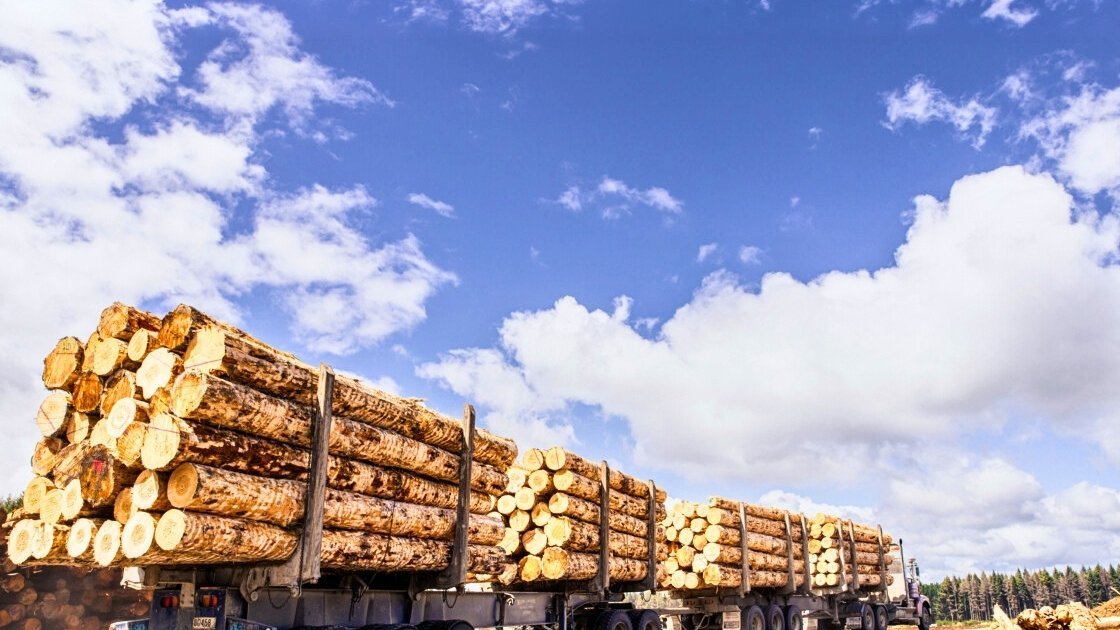
Inside Kaingaroa, the heavy lifting happens off the public highway. A privately managed off-highway road network runs around the clock, moving logs efficiently from harvest sites to processing or rail. “The forest’s scale lets us plan and coordinate properly,” says ...
Read more
12 Oct 2026
Milestone for Jubilee Sawmill’s $88m bioenergy project
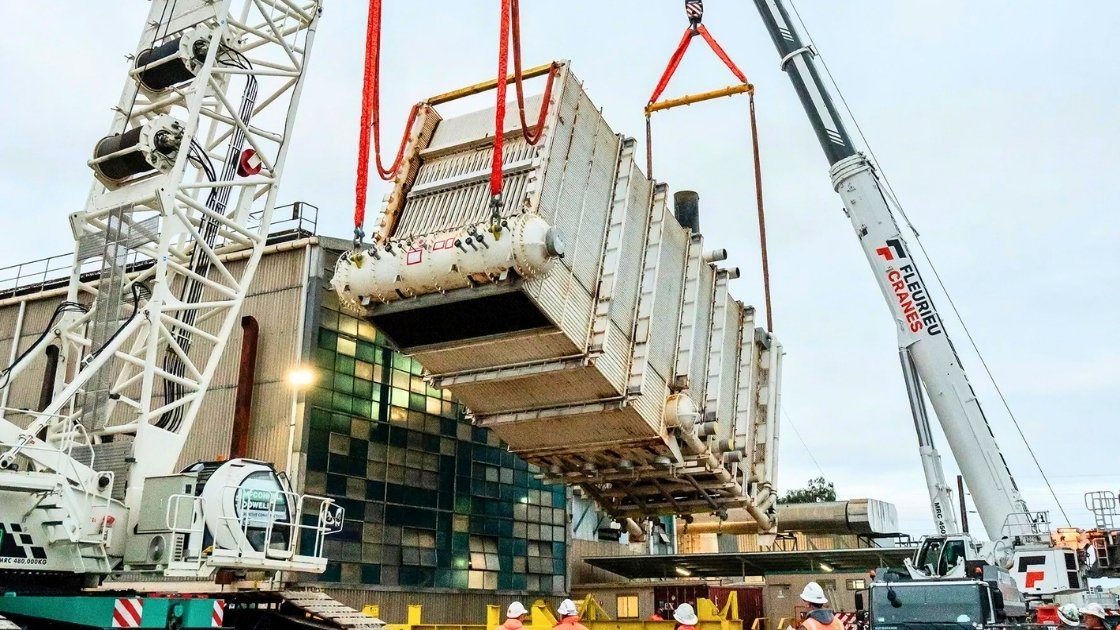
Construction of OneFortyOne’s $88 million Co-Generation Boiler project facility has reached another significant milestone, with the project’s boiler now in place at the Jubilee Sawmill. With crews on site before sunrise on 16 September, months of planning culminated in the ...
Read more
12 Oct 2026
KEITH showcases faster unloading with new RX2 drive
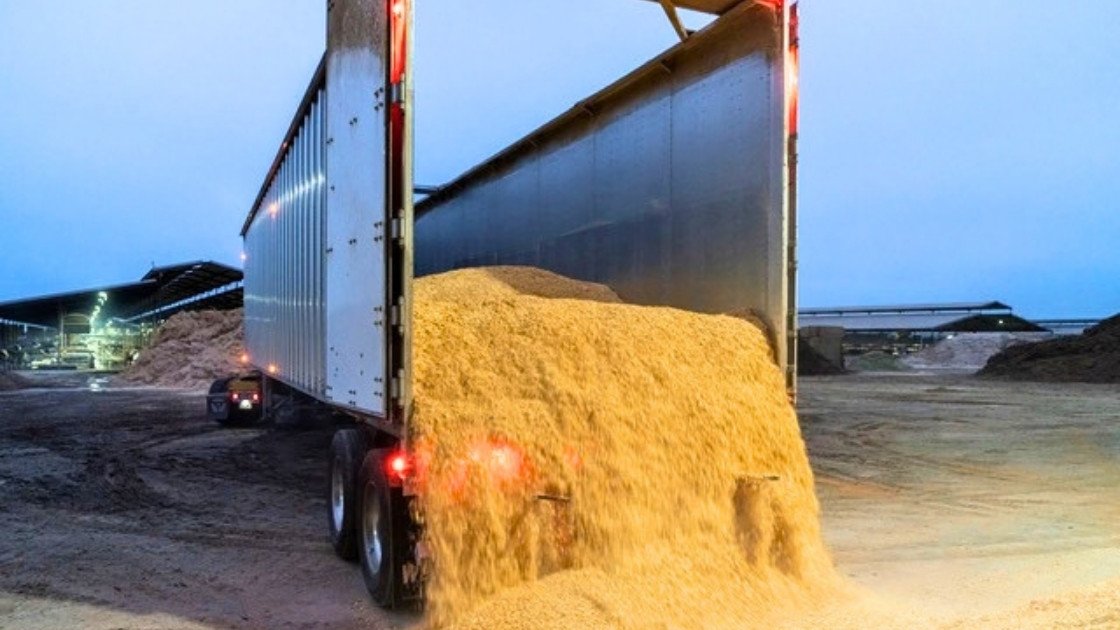
At last month’s Residues2Revenues 2026 conference in Brisbane, material handling specialist KEITH Manufacturing Co. showcased its updated two-cylinder RX2 WALKING FLOOR® drive unit, designed to improve unloading and turnaround times for the wood-products sector. With truck turnaround times directly affecting ...
Read more
12 Oct 2026
Lignin resin delivers flame retardancy without formaldehyde
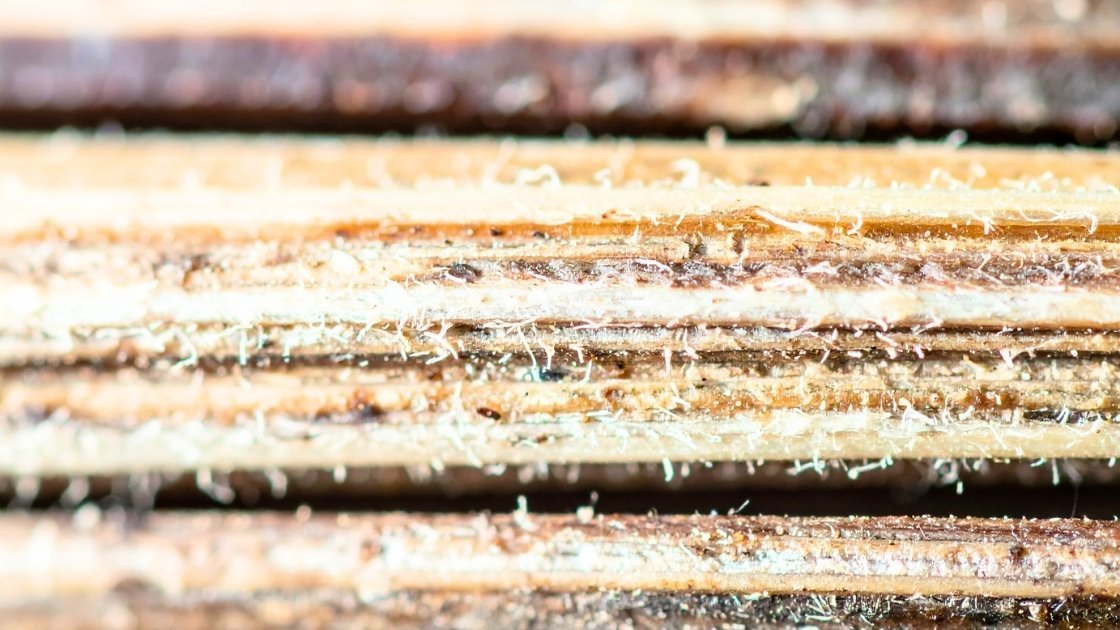
Researchers have developed a bio-based, formaldehyde-free phenolic resin derived from lignin that provides fire protection, strong adhesion, and zero toxic off-gassing for timber products. Published in the journal Green Chemistry, the study details how the new material, dubbed SALG-PR, functions ...
Read more
12 Oct 2026
Future-focused learning
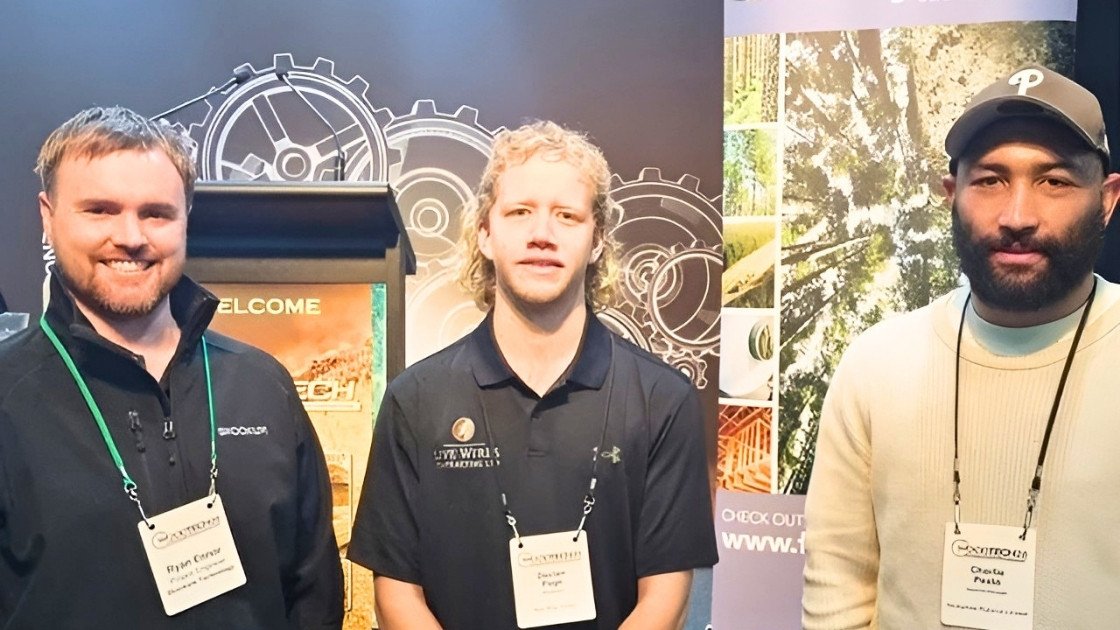
In 2026, the WIDE Trust supported four young professionals to attend the WoodTECH 2026 Conference in Rotorua, giving them the opportunity to engage with one of New Zealand’s leading events for wood processing and manufacturing innovation. WoodTECH brings together engineers, ...
Read more
12 Oct 2026
Comact launches Comact Cutting Solution
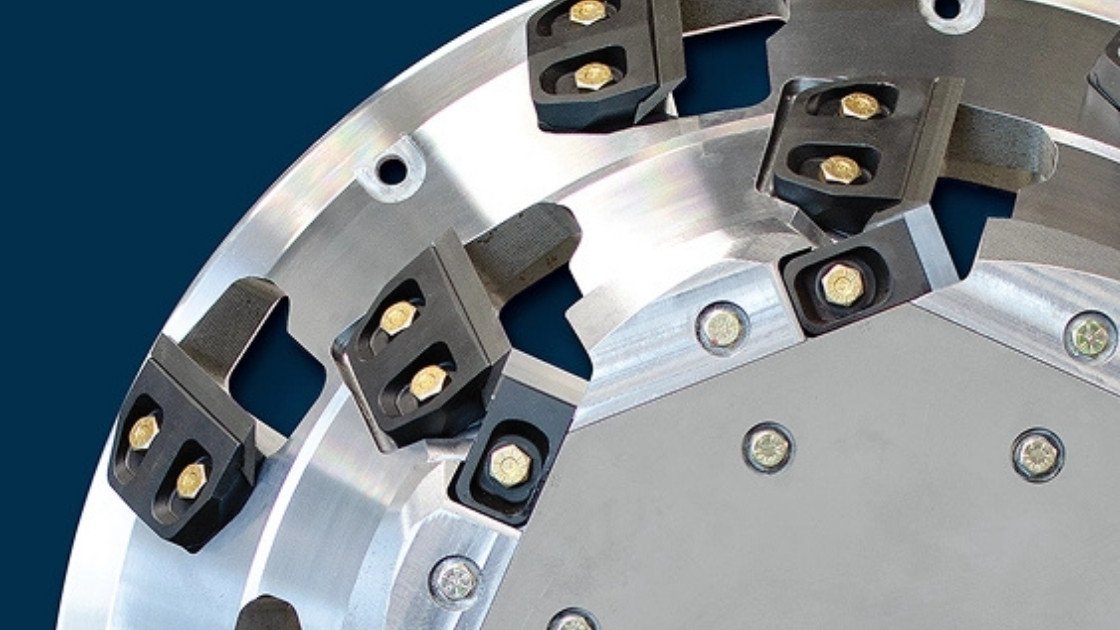
Comact, a global leader in high-performance OEM wood processing technologies, announced this week the launch of Comact Cutting Solutions, bringing together Smith Sawmill Service, Oleson Saw Technology, Checkmate Precision Cutting Tools, and the proprietary BLADE brand under a common organizational ...
Read more

12 Oct 2026
Untapped wood from forestry to help fuel NZ industry
The country’s supply of sustainable wood fuel is ramping up with work underway to capture previously unused forestry material and investigate new wood energy manufacturing plants. “When businesses are looking at energy options, woody biomass could provide an economic alternative ...
Read more

07 Sep 2026
Biomass trial produces industrial heat at less than $3/GJ
A biomass trial at JBS Riverina’s Yanco facility in New South Wales has produced thermal energy at a supply cost of less than $3 per gigajoule (GJ), highlighting the potential for biomass to provide a lower-cost alternative to conventional industrial ...
Read more

07 Sep 2026
Beyond Woodchips: Australia’s hardwood plantation industry must innovate
For more than three decades, Australia’s hardwood plantation industry has been built on a simple but largely successful business model: growing world-class plantation fibre for export to Asia’s pulp mills. It has underpinned regional economies, attracted significant investment and established ...
Read more

07 Sep 2026
UBC-developed ‘wood foam’ enters production
Inside a new facility at Main Street and Terminal Avenue, wood fibre is moving through a production line and emerging, transformed, as a block of lightweight “wood foam.” For Dr. Feng Jiang, who first developed the material in his laboratory ...
Read more

07 Sep 2026
Free program to help SMEs advance AI and digital tech ideas in Queensland
The free eight-week online program, delivered by Australia’s national science agency, CSIRO, helps businesses turn early-stage ideas into actionable R&D plans while building connections with expert facilitators and researchers. Offered through the Queensland Government-funded Regional University Industry Collaboration (RUIC) program, ...
Read more

07 Sep 2026
Canada and Australia are asking similar questions – but arriving at different answers
New Canadian research echoes themes explored by Australia’s System 600 while highlighting different approaches to industrialised housing. When Perkins&Will recently released its research into a modular mass timber housing system for Canada, the immediate takeaway was straightforward: another country is ...
Read more

07 Sep 2026
Enforcement data reveals where forestry needs to lift its game
Strengthening organisational capability, planning, supervision and risk management remains one of the forestry sector’s biggest challenges, according to new enforcement data released by WorkSafe New Zealand. During the 2025/26 business year, WorkSafe conducted 526 assessments across the forestry industry. One ...
Read more

11 Aug 2026
Testing New Zealand’s first heavy electric loader
A Volvo L120 Electric wheel loader is helping PermaPine test what sustainable equipment can really deliver in one of New Zealand’s most demanding timber processing environments. Set on a 100-acre site outside Taupō, PermaPine is New Zealand’s largest manufacturer of ...
Read more

11 Aug 2026
Turning forestry waste into Australian-made jet fuel
The federal government has announced a $32 million investment to help support a plan to convert forestry waste into Australian-made jet fuel. The funding, made through the Australian Renewable Energy Agency (ARENA), will be provided to Melbourne based company HAMR ...
Read more

11 Aug 2026
Project update: Connecting forests, mills and buildings
ARC Advance Timber Hub Project “An Open-Data Framework for Forest-to-Building Value Chain Mapping” is addressing a major challenge for Australia’s forest and wood products sector: how to better understand, visualise and coordinate data across the entire value chain – from forest resource ...
Read more

11 Aug 2026
Red Stag’s first-of-a-kind CLT modular production line
The Prime Minister, Christopher Luxon, opened the Southern Hemisphere’s first off-site production line to use Cross Laminated Timber, CLT, as the structure. The initiative is a collaboration between local industry leader Red Stag, German architecture firm NKBAK and Austria constructor ...
Read more