

7 July 2026
Europe’s largest 3D-printed apartment building has been completed in France. Containing 12 social housing apartments spread across three floors, the project’s printing process was carried out in just 34 days.
ViliaSprint² was created by developer Plurial Novilia, with designer HOBO Architecture, and printed by PERI 3D Construction using a COBOD BOD2 3D printer, which is the same type used in the previously covered 3D-printed data center and earthquake-resistant house. It’s positioned next to another very similar building by the same developer, which was constructed using traditional techniques and took three months longer to complete.
According to COBOD, ViliaSprint² is the first building in France in which both the load-bearing structure and all walls were printed directly on-site. The COBOD BOD2 printer extruded a cement-like mixture supplied by Holcim in layers to build up the basic shell. This printing was originally planned to last 50 days but took just 34 days in all, with three human operators overseeing the work.
Source: New Atlas
Image credit: COBOD
More Posts

10 Nov 2026
From fibre to fuel: Finding more value in wood residues
More than 160 delegates gathered in Brisbane late September for Residues2Revenues 2026, the first Australian event in the series in more than a decade. Over two days, the programme explored a question that’s becoming increasingly relevant to the forestry and ...
Read more

10 Nov 2026
New Pan Pac hub a shrine to pine
It’s taken over three years since Cyclone Gabrielle devastated Pan Pac’s Whirinaki industrial operations for all the company’s workers to be back onsite again. Pan Pac was one of the worst hit businesses in the region in 2023 with its ...
Read more

10 Nov 2026
MPI launches new forestry & wood processing dashboard
The Ministry for Primary Industries (MPI) has launched a new Regional Forestry and Wood Processing Dashboard, providing an interactive way to view forestry and wood processing data across New Zealand regions. MPI Director Forestry Insights Debbie Ward says the dashboard ...
Read more

10 Nov 2026
Improved safety at SCA’s terminals with AI
Sweden-based SCA, Europe’s largest private forest owner, is introducing AI-based camera systems to improve safety at its wood terminals, sawmills and industrial sites following a group-wide pilot project at Torsboda and Töva. The initiative focuses on common vehicle-related risks, including ...
Read more
13 Oct 2026
Operating at scale: The off-highway advantage
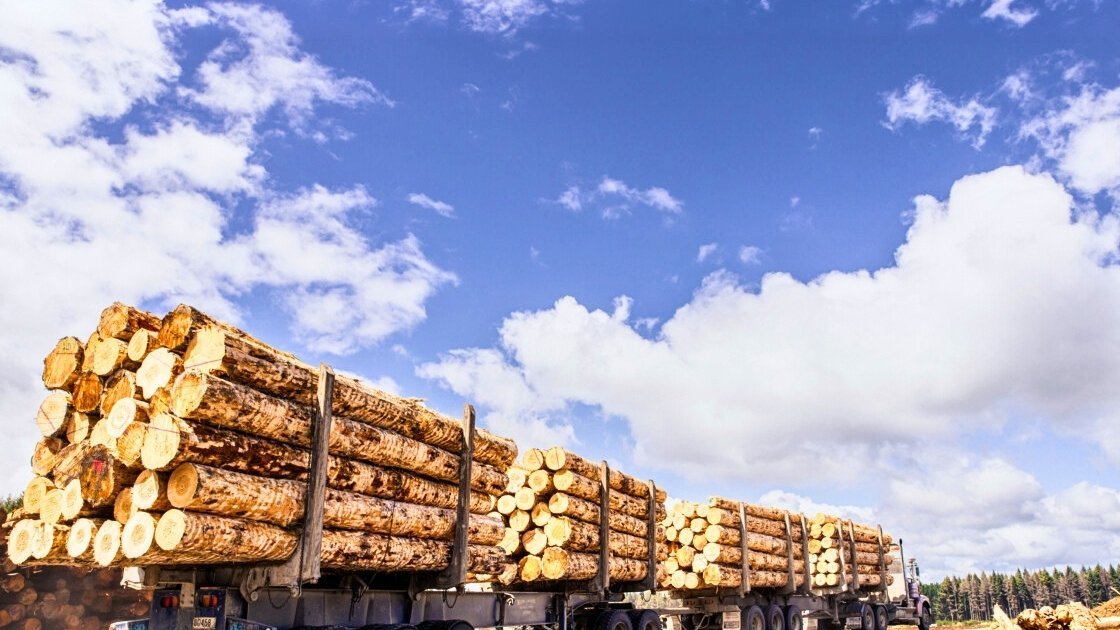
Inside Kaingaroa, the heavy lifting happens off the public highway. A privately managed off-highway road network runs around the clock, moving logs efficiently from harvest sites to processing or rail. “The forest’s scale lets us plan and coordinate properly,” says ...
Read more
12 Oct 2026
Milestone for Jubilee Sawmill’s $88m bioenergy project
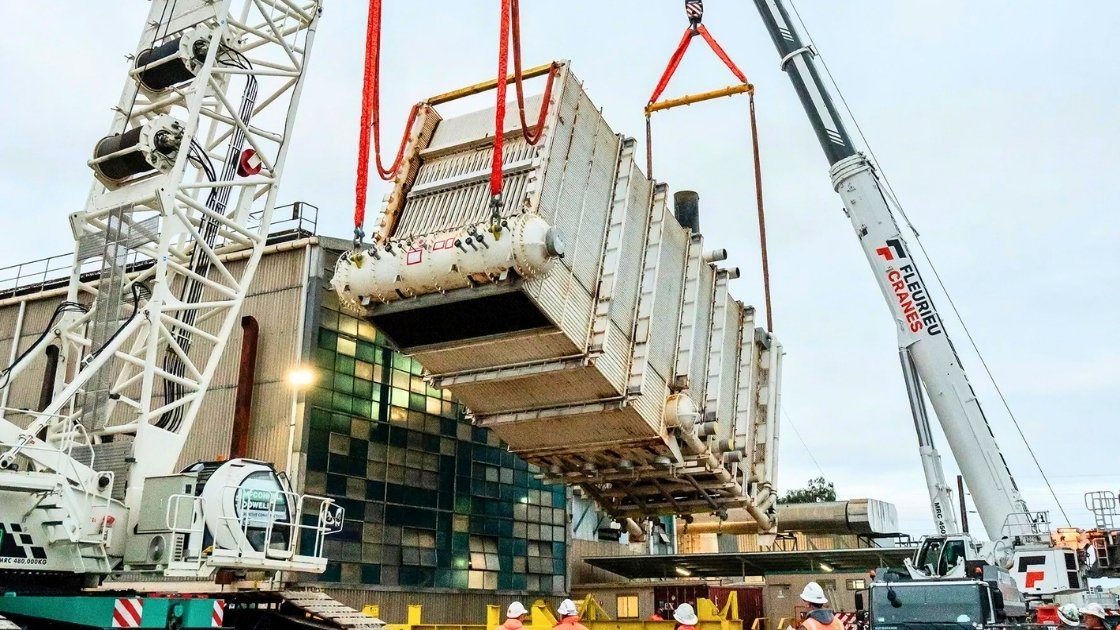
Construction of OneFortyOne’s $88 million Co-Generation Boiler project facility has reached another significant milestone, with the project’s boiler now in place at the Jubilee Sawmill. With crews on site before sunrise on 16 September, months of planning culminated in the ...
Read more
12 Oct 2026
KEITH showcases faster unloading with new RX2 drive
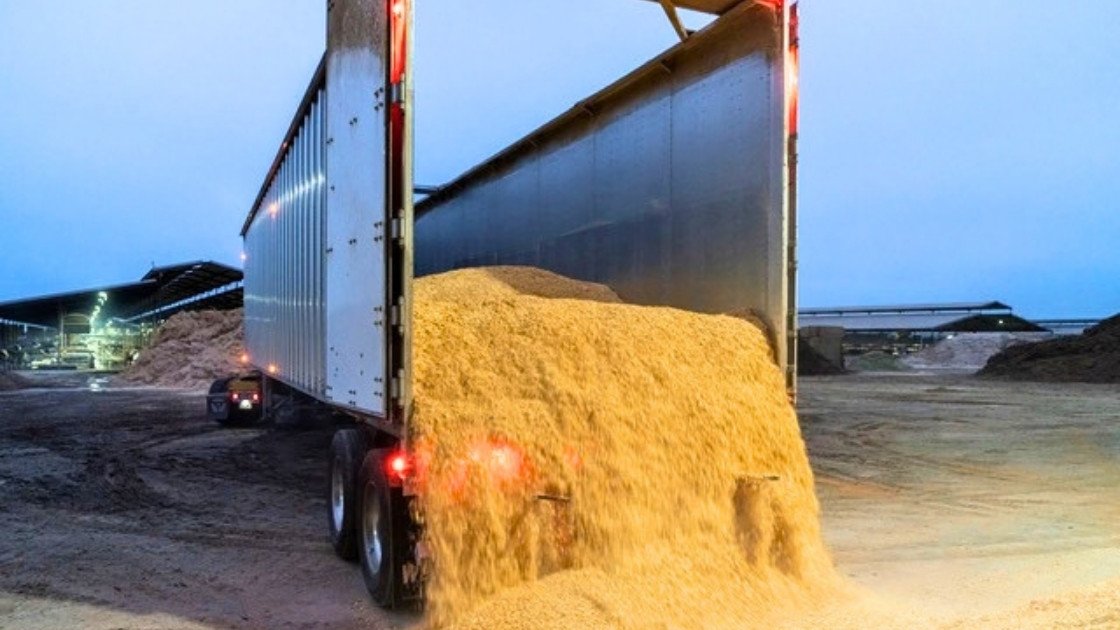
At last month’s Residues2Revenues 2026 conference in Brisbane, material handling specialist KEITH Manufacturing Co. showcased its updated two-cylinder RX2 WALKING FLOOR® drive unit, designed to improve unloading and turnaround times for the wood-products sector. With truck turnaround times directly affecting ...
Read more

12 Oct 2026
Lignin resin delivers flame retardancy without formaldehyde
Researchers have developed a bio-based, formaldehyde-free phenolic resin derived from lignin that provides fire protection, strong adhesion, and zero toxic off-gassing for timber products. Published in the journal Green Chemistry, the study details how the new material, dubbed SALG-PR, functions ...
Read more

12 Oct 2026
Future-focused learning
In 2026, the WIDE Trust supported four young professionals to attend the WoodTECH 2026 Conference in Rotorua, giving them the opportunity to engage with one of New Zealand’s leading events for wood processing and manufacturing innovation. WoodTECH brings together engineers, ...
Read more

12 Oct 2026
Comact launches Comact Cutting Solution
Comact, a global leader in high-performance OEM wood processing technologies, announced this week the launch of Comact Cutting Solutions, bringing together Smith Sawmill Service, Oleson Saw Technology, Checkmate Precision Cutting Tools, and the proprietary BLADE brand under a common organizational ...
Read more

12 Oct 2026
Untapped wood from forestry to help fuel NZ industry
The country’s supply of sustainable wood fuel is ramping up with work underway to capture previously unused forestry material and investigate new wood energy manufacturing plants. “When businesses are looking at energy options, woody biomass could provide an economic alternative ...
Read more

07 Sep 2026
Biomass trial produces industrial heat at less than $3/GJ
A biomass trial at JBS Riverina’s Yanco facility in New South Wales has produced thermal energy at a supply cost of less than $3 per gigajoule (GJ), highlighting the potential for biomass to provide a lower-cost alternative to conventional industrial ...
Read more

07 Sep 2026
Beyond Woodchips: Australia’s hardwood plantation industry must innovate
For more than three decades, Australia’s hardwood plantation industry has been built on a simple but largely successful business model: growing world-class plantation fibre for export to Asia’s pulp mills. It has underpinned regional economies, attracted significant investment and established ...
Read more

07 Sep 2026
UBC-developed ‘wood foam’ enters production
Inside a new facility at Main Street and Terminal Avenue, wood fibre is moving through a production line and emerging, transformed, as a block of lightweight “wood foam.” For Dr. Feng Jiang, who first developed the material in his laboratory ...
Read more

07 Sep 2026
Free program to help SMEs advance AI and digital tech ideas in Queensland
The free eight-week online program, delivered by Australia’s national science agency, CSIRO, helps businesses turn early-stage ideas into actionable R&D plans while building connections with expert facilitators and researchers. Offered through the Queensland Government-funded Regional University Industry Collaboration (RUIC) program, ...
Read more

07 Sep 2026
Canada and Australia are asking similar questions – but arriving at different answers
New Canadian research echoes themes explored by Australia’s System 600 while highlighting different approaches to industrialised housing. When Perkins&Will recently released its research into a modular mass timber housing system for Canada, the immediate takeaway was straightforward: another country is ...
Read more

07 Sep 2026
Enforcement data reveals where forestry needs to lift its game
Strengthening organisational capability, planning, supervision and risk management remains one of the forestry sector’s biggest challenges, according to new enforcement data released by WorkSafe New Zealand. During the 2025/26 business year, WorkSafe conducted 526 assessments across the forestry industry. One ...
Read more

11 Aug 2026
Testing New Zealand’s first heavy electric loader
A Volvo L120 Electric wheel loader is helping PermaPine test what sustainable equipment can really deliver in one of New Zealand’s most demanding timber processing environments. Set on a 100-acre site outside Taupō, PermaPine is New Zealand’s largest manufacturer of ...
Read more

11 Aug 2026
Turning forestry waste into Australian-made jet fuel
The federal government has announced a $32 million investment to help support a plan to convert forestry waste into Australian-made jet fuel. The funding, made through the Australian Renewable Energy Agency (ARENA), will be provided to Melbourne based company HAMR ...
Read more

11 Aug 2026
Project update: Connecting forests, mills and buildings
ARC Advance Timber Hub Project “An Open-Data Framework for Forest-to-Building Value Chain Mapping” is addressing a major challenge for Australia’s forest and wood products sector: how to better understand, visualise and coordinate data across the entire value chain – from forest resource ...
Read more

11 Aug 2026
Red Stag’s first-of-a-kind CLT modular production line
The Prime Minister, Christopher Luxon, opened the Southern Hemisphere’s first off-site production line to use Cross Laminated Timber, CLT, as the structure. The initiative is a collaboration between local industry leader Red Stag, German architecture firm NKBAK and Austria constructor ...
Read more